How long heirs have once a reverse mortgage comes due
Most families meet the reverse mortgage and its deadline in the same week, in the middle of everything else a death brings. That is a hard way to learn about a loan.
A reverse mortgage comes due when the last borrower dies, sells, or moves out of the Westbury house permanently. From that point a window opens, and weeks of it have usually gone before anyone notices. The first useful move is to write to the servicer, confirm the balance, and ask plainly how long you have.
Balance versus appraised value
Here is the distinction that decides everything. On many of these loans the heirs owe the lesser of the reverse mortgage balance or a set share of the appraised value, and on federally insured loans there are protections for heirs when the balance has grown past what the house is worth.
We are not going to state your loan's terms as settled fact, because reverse mortgage documents differ. Have an attorney read yours. The gap between those two figures often decides whether selling leaves anything for the family.
The Westbury market underneath this
The Westbury median has barely moved year over year as of 2026-05, at 3.35%. Flat is the hardest market to price a fixer into, because there is no upward drift to cover a mistake and no urgency pushing buyers to overlook a problem. At a $801,000 median, Westbury buyers are paying enough that they expect the house to be finished. A dated kitchen is a deduction in a cheaper market and close to disqualifying in this one, which is why unrenovated houses here sit while the renovated ones move. The median house goes under contract in about 41 days, which is not slow - but it describes houses that were already showable on day one.
A four-bedroom on Sunnyside Lane. A three-bedroom on Montauk Court. A house on Lewis Avenue. All of them in Westbury, all bought by us.
Working with Nassau County families on reverse mortgages
What families need in the first week of a reverse mortgage is somebody who has been here before saying clearly what happens next. That is the part we are most useful for, and it costs you nothing.
We will read the reverse mortgage correspondence with you, tell you which dates matter, and give you a written number on the Westbury house in its current condition so the family has a real figure to weigh. If listing would serve you better and the deadline allows for it, we will say so.
Meeting the servicer deadline
Speed matters on a reverse mortgage in a specific way. It is not about closing fast for its own sake. It is about being certain, on a date you name, that the payoff will actually be made.
We will hold a written number while you sort the reverse mortgage paperwork out with the servicer, and we will close the day the estate is ready rather than the day a lender permits. For a Westbury family working against a deadline they did not set, that certainty is most of the value.
What the two paths cost in Westbury
These are the two routes open to you with a house with a reverse mortgage, priced against what Westbury houses actually sell for.
Work it against Westbury's own numbers. The median sale here is $801,000. A 5% commission on that is $40,050, and seller closing costs of about 2% add roughly $16,020. Those are costs we can cover on our side. That is $56,070 gone before anyone counts the repairs it took to get the house listable.
There are two waits in a listed sale and people usually only count the first. In Westbury the median house takes about 41 days to go from listed to a signed contract. Then it waits again, typically 45 to 60 days, while the buyer's lender orders an appraisal and underwrites the loan. Call it 86 to 101 days from sign to keys, assuming nothing goes wrong.
The part worth understanding is what a signed contract actually guarantees, which is less than most sellers assume. A retail buyer with a mortgage contingency can walk away right up to the end. If they do not qualify, if the appraisal comes in under the price, if they change their mind and let the financing lapse. A share of deals die exactly there, after months of waiting, and the house goes back on the market with time on it. We are not borrowing anything, so there is no lender to satisfy, no appraisal to come in low and no contingency to exercise.
| Listing with an agent | Selling to us | |
|---|---|---|
| Sale price | $801,000 (Westbury median) | Our written offer |
| Commission | −$40,050 | None |
| Seller closing costs | −$16,020 | We can cover them |
| Repairs before listing | Out of pocket | None |
| Cleanout | Yours | Ours |
| Showings | Until it sells | One visit |
| Listed to signed contract | 41 days (Westbury median, once listable) | 24 hours to a written offer |
| Contract to closing | 45 to 60 days (waiting on the buyer's lender) | A date you choose |
| Total wait | 86 to 101 days if nothing falls through | Yours to set |
| Can the buyer walk? | Yes (mortgage contingency runs to the end) | No financing to fall through |
| Before repairs and carrying | $744,930 | The number we put in writing |
Assumptions: 5% commission and about 2% seller closing costs on the listing side, and both move from deal to deal. Repairs and the cost of holding the house are not deducted, since they vary by property. A well-kept house with a good agent can come out ahead of a cash sale, and if that describes yours we will say it.
When the borrower has moved into care
We take a fair number of these calls from adult children who moved a parent into care and assumed the reverse mortgage would simply sit there quietly. It usually will not, because occupancy is a condition of the loan.
Meanwhile the Westbury house keeps costing money while everyone decides. Taxes, insurance on a property nobody lives in, and heat through the winter all accrue against a balance that is already growing month by month.
How selling a house with a reverse mortgage in Westbury works
- 1
You give us the address
The street address in 11590 and a sentence or two about the condition, by phone or the form. No photos needed, and nothing has to be cleaned or repaired first.
- 2
We walk through it once
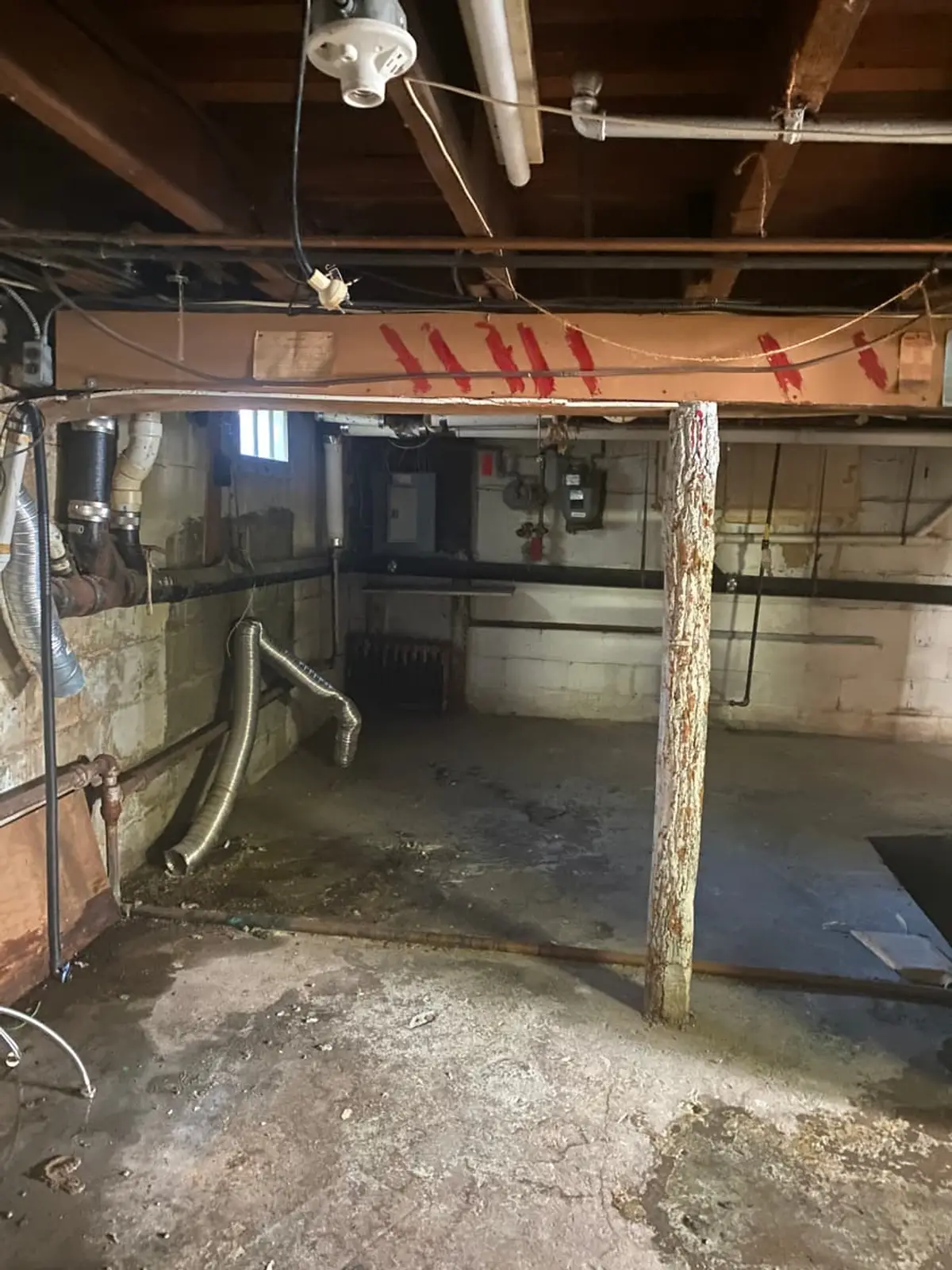
A single visit by one person, normally under thirty minutes. With a cape cod or colonial built when most of Westbury was, the roof, heating and electric matter far more to us than the kitchen does.
- 3
A written offer within 24 hours
One figure, in writing, inside 24 hours. Not a range. Show it to a Nassau County agent if you want a second view; if the house is already in good enough shape to list, an agent may get you more, and we will say so.
- 4
You pick the closing date
Fast if you need fast, or months out if you are waiting on probate, a tenant, or somewhere to move to. Either way you skip the 86 to 101 days a listed Westbury house spends finding a buyer and then waiting on that buyer's mortgage.
What happens to a reverse mortgage if nobody acts
There are four routes out of a reverse mortgage and it is worth knowing all of them. Repay the loan from other funds. Refinance into a conventional mortgage if an heir wants the house and can qualify. Sell the property and pay the reverse mortgage off at closing. Or hand the house back to the lender.
Selling is the common answer because most families do not have the cash to repay and do not want to carry the property. Ask an attorney which of the four fits your loan.
Common questions
The borrower has died. How long do we have to sell the Westbury house?
Ask the reverse mortgage servicer in writing immediately, and do not rely on what anyone tells you verbally. Get an attorney involved early. The window is real but extensions are sometimes granted, and a signed contract is the strongest support for asking.
What if the reverse mortgage balance is more than the house is worth?
It happens, and it is not automatically a disaster for the heirs. Depending on the reverse mortgage, liability can be capped against appraised value. Get the documents read properly before anyone concludes the family owes the difference.
Can we get an extension on the reverse mortgage deadline?
Sometimes, and a pending sale is the best reason to ask. We will sign quickly so your attorney has something concrete to bring to the servicer. Whether they grant it is their decision, not ours and not yours.
Mom moved into a nursing home. Is her reverse mortgage due now?
Quite possibly, because a reverse mortgage generally requires the borrower to occupy the home. A permanent move into care can trigger the payoff. Confirm it with the servicer in writing rather than assuming either way.
Does the servicer have to approve the sale?
They have to be paid off at closing, which is a different thing from approving a buyer. If the sale covers the reverse mortgage payoff, the mechanics are those of an ordinary closing with a firm deadline attached.