Who inherits an open violation
The thing that surprises owners most is that an open file is not personal. It is recorded against the address and it travels with the address, so whoever owns the house next owns the problem too.
That is also why buyers and their attorneys take code violations seriously. Nobody wants to inherit somebody else's file with the town. It is one of the reasons something that seems minor to you can end a contract that had nothing else wrong with it.
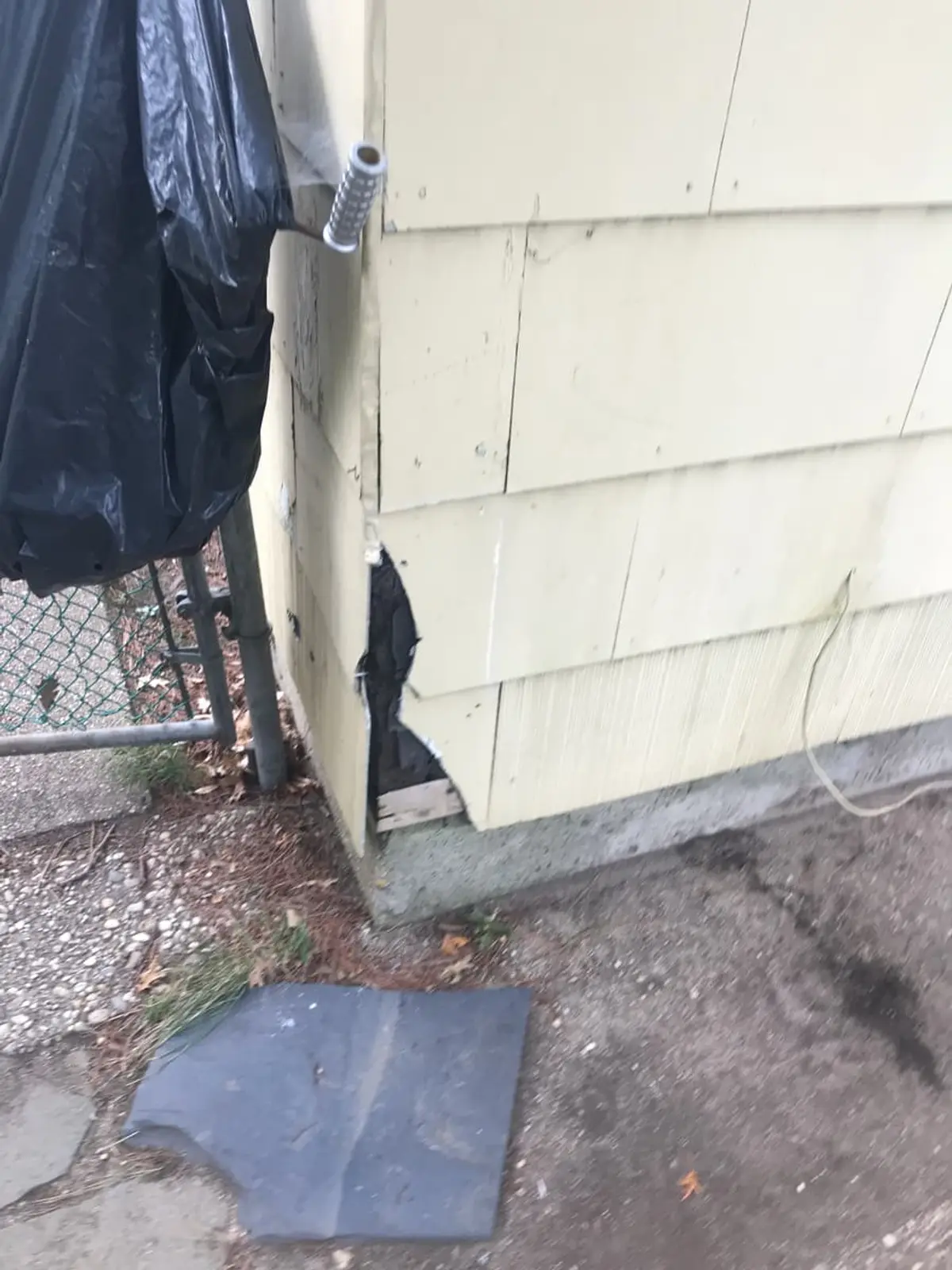
Dealing with code violations and the Westbury building department
Open files with a town are mostly a process problem, and process problems yield to people who have done them before.
An expeditor knows which forms the department wants and in what order. An attorney knows what can be negotiated and what cannot. We have used both across Nassau and Suffolk for years, and we are glad to put you in front of them even if you decide to keep the Westbury house and resolve the violations yourself.
The Westbury market underneath this
The Westbury median has barely moved year over year as of 2026-05, at 3.35%. Flat is the hardest market to price a fixer into, because there is no upward drift to cover a mistake and no urgency pushing buyers to overlook a problem. At a $801,000 median, Westbury buyers are paying enough that they expect the house to be finished. A dated kitchen is a deduction in a cheaper market and close to disqualifying in this one, which is why unrenovated houses here sit while the renovated ones move. The median house goes under contract in about 41 days, which is not slow - but it describes houses that were already showable on day one.
A four-bedroom on Sunnyside Lane. A three-bedroom on Montauk Court. A house on Lewis Avenue. All of them in Westbury, all bought by us.
The open violations a buyer's attorney finds on a Westbury house
A title company's job is to make sure the buyer takes the property clean. Open code violations are exactly the sort of thing it looks for, and when one turns up it becomes an item somebody has to clear before the closing can happen.
That somebody is usually the seller, on a deadline, at whatever pace the town happens to work at. It is a difficult position to be put in, and it is why an open file ends so many otherwise ordinary sales.
Why open violations stop a financed sale
A retail buyer is buying a place to live, with their savings and a long mortgage attached. Told the house carries open violations with the town, most of them simply move on to the next listing rather than take on somebody else's file.
The ones who stay will want them cleared before closing, at your cost, on a timetable the town controls and you do not. That is the trap, and it is why these deals so often die quietly rather than loudly.
How we arrive at a number on a house with code violations
The honest answer on a house with code violations is that we work backwards from what it is worth once it is fixed, subtract what fixing it costs, and subtract what we need to make for the risk of being wrong about either. There is no secret to it and no algorithm.
- What it is worth repaired. Not the Westbury median of $801,000 on its own, but what houses like yours on your street actually closed at recently.
- What the work costs. Roof, boiler, electric, the kitchen and bath. In Westbury the stock is largely cape cod and colonial, and on houses that age the mechanicals are usually the expensive part rather than the cosmetics.
- How long we will hold it. The median Westbury house goes under contract in about 41 days once it is showable, then waits 45 to 60 days more on the buyer's lender. Ours has to get to showable first, and we carry taxes and insurance across the whole of it.
- What we are wrong about. Opening a wall finds things. That risk is priced in, which is a large part of why a cash number sits below a retail number.
Why the number works for us and not for you
This is the part most cash buyers are vague about, so here it is plainly. We run millions of dollars of construction a year. That volume buys materials at contractor pricing and keeps the same crews working year round, which means the identical renovation costs us roughly half what a homeowner would pay to have it done.
That gap is the business. It is also why doing the work yourself before selling so rarely pays: you would be buying the same roof and the same boiler at retail, then hoping the market hands it back to you at resale. It usually does not. We are not making money because you sold cheaply. We are making it because we build cheaply.
And if the number does not work for you, say so. We would rather hear that than talk anyone into anything. We will look at your situation and tell you honestly what we think your options are, including the ones that do not involve us. Plenty of people are better off listing with an agent, and when you are one of them we will say so rather than let you find out later.
We take the violations on after closing
Fines, notices, a scheduled appearance, an inspection nobody ever let in. Tell us what exists, including the parts you would rather not put in writing, and it goes into the number once.
Nothing you disclose about a violation makes us withdraw, and everything you disclose makes the offer solid the first time. The deals that fall apart are the ones built on partial information, and that serves nobody, least of all you.
How selling a house with code violations in Westbury works
- 1
You tell us about the house
An address in 11590 and a rough idea of condition. Two minutes on the phone or the form. We do not need photographs, a clean house, or anything fixed first.
- 2
We come and look at it
One visit, one person, usually under half an hour. On a cape cod or colonial of the age most of Westbury was built, we are mainly looking at the roof, the boiler and the electric rather than the kitchen.
- 3
You get a number in writing
Within 24 hours, as a written figure rather than a range or a "starting around". Take it to a Nassau County agent for a second opinion if you want to. On a house already in showable condition, listing may well beat us, and we would rather you knew that.
- 4
The date is up to you
Close quickly, or set a date months ahead to fit probate, a tenant or your own move. Either way there is no 86 to 101 days of a Westbury listing looking for a buyer and waiting on a mortgage approval.
What code violations get issued for around Westbury
Some violations arrive because a neighbor called, some because an inspector drove past, and some because a permit was pulled years ago and never signed off, which leaves the file open indefinitely.
That last kind catches people out constantly. The work was done, it was very likely done properly, and nobody ever booked the final inspection. It sits there as an open item until somebody closes it, and it surfaces on the day a buyer's attorney goes looking.
Common questions
Do I have to clear the code violations before you buy my Westbury house?
Not one of them. Clearing them first is money and months out of your pocket for work we are already set up to handle.
I inherited the house and the violations predate me. Am I responsible?
The file sits against the property rather than the person, which is why it becomes the seller's problem regardless of who caused it. What you are personally exposed to is a question for an attorney and worth asking one. It does not change our willingness to buy.
How do I find out what violations are on my Westbury house?
Your town's building department holds the record, and an attorney or an expeditor can pull the search for you. Doing it before a buyer does it is always the better order.
Will the violation fines come out of my sale proceeds?
Some charges do get settled out of closing proceeds and some do not, which is an attorney question for your specific file. What we will not do is agree a number now and revise it on you the week of closing.
Can I sell a Westbury house to a regular buyer with violations still open?
It happens, but it narrows the field to buyers who understand what they are taking on and price it accordingly. That is most of why owners in this position end up talking to us.